(Not) a Childhood Dream
Musher completes the 1,000-mile Iditarod in one of the world’s most grueling endurance races.
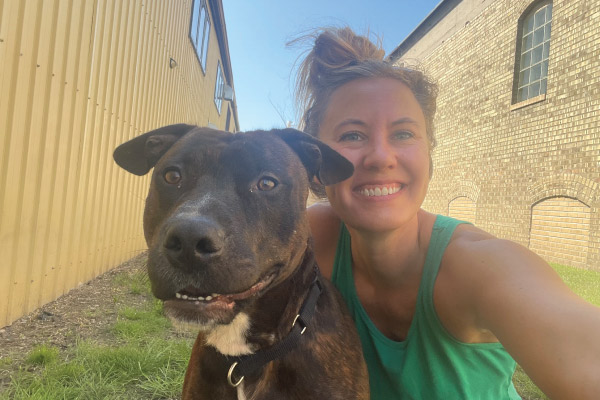
Six years ago, Sydnie (Smith) Bahl, ’13, would have laughed if someone told her she would one day race 1,000 miles across Alaska with a team of sled dogs.
“It wasn’t a long-lost childhood dream,” she said.
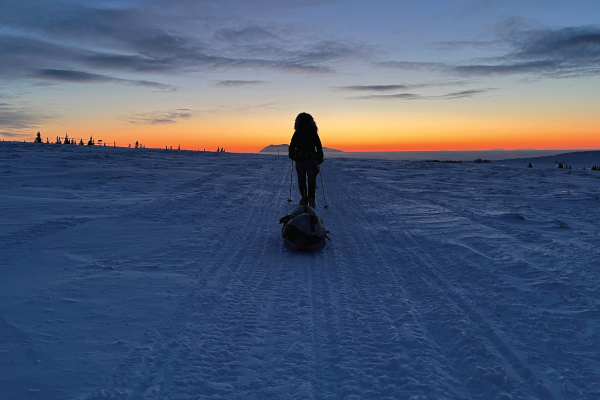
Yet in March, the physical therapist completed the Iditarod, enduring temperatures as low as 60 below zero while covering the distance from Anchorage to Nome in 12 days.
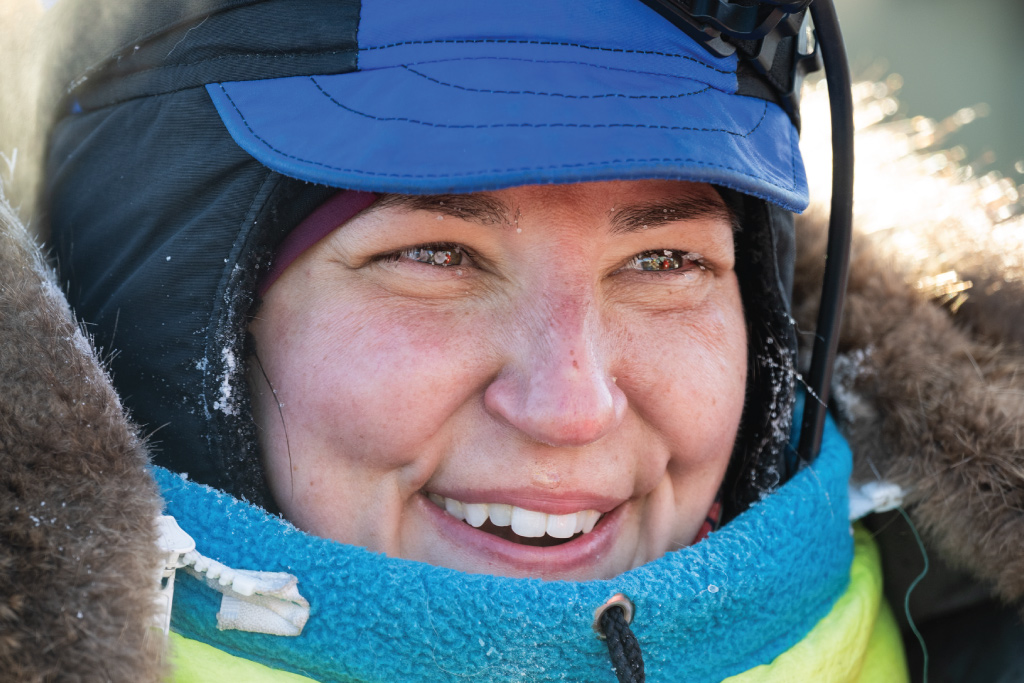
Sydnie Bahl is part of the small, tight-knit Iditarod community.
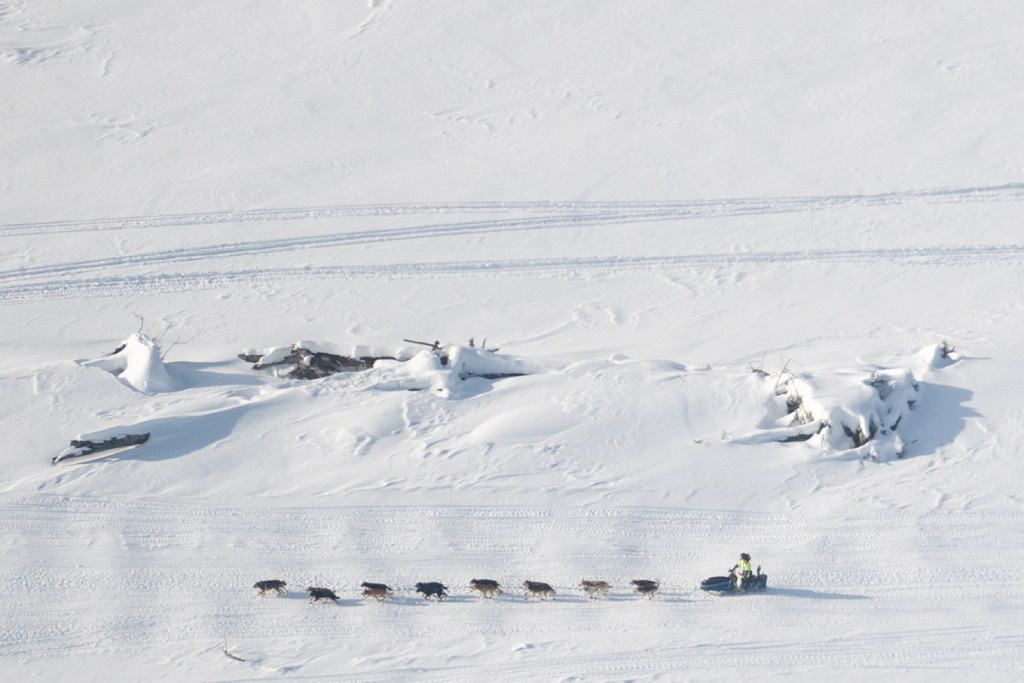
The Iditarod is a 1,000-mile trek across Alaska.
An Unexpected Path
Sydnie and her husband, Nicholas Bahl, ’11, both from Minot, North Dakota, spent several years moving around the country before finding a home in Alaska.
Shortly after arriving, one of Sydnie’s patients introduced her to the world of mushing. She started as a handler at the kennel of multi-time Iditarod finisher Vern Halter. “I totally did not know what I was signing myself up for,” she admitted.
After only a few weeks, her new coach and mentor changed her assignment.
“Vern told me I was going to run dogs,” she said. “Four months later, I ran my first qualifying race.”
After completing the three required qualifying races, she entered the 2025 Iditarod. A combination of factors, including the weather, prevented her from finishing the race.
She returned in 2026, determined to complete what she had started.
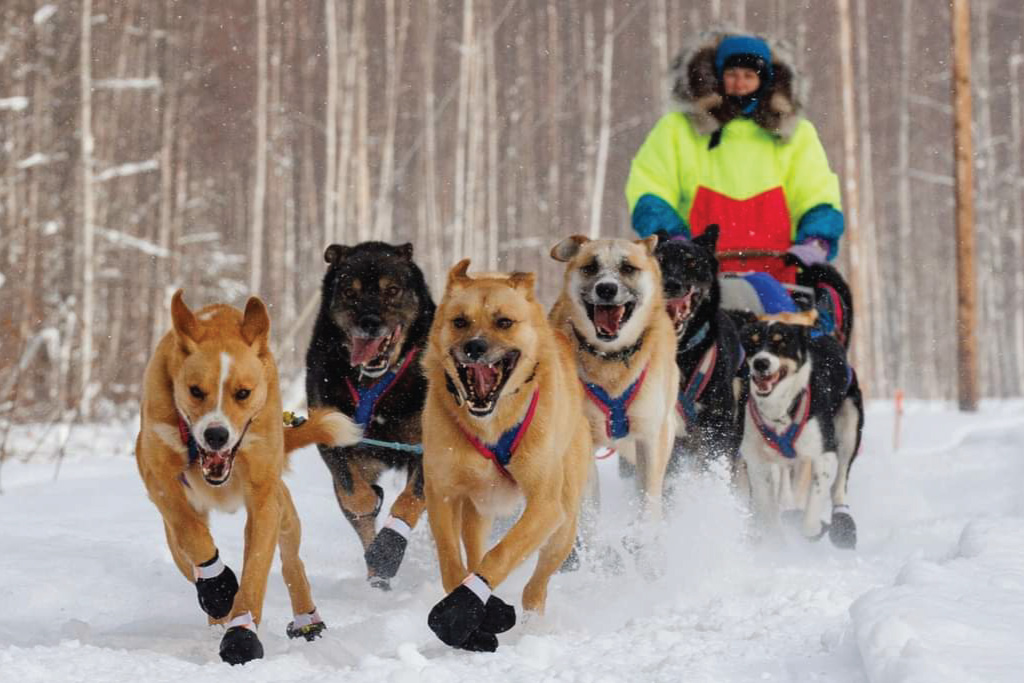
Mushers and dogs cover thousands of miles before the race even starts.
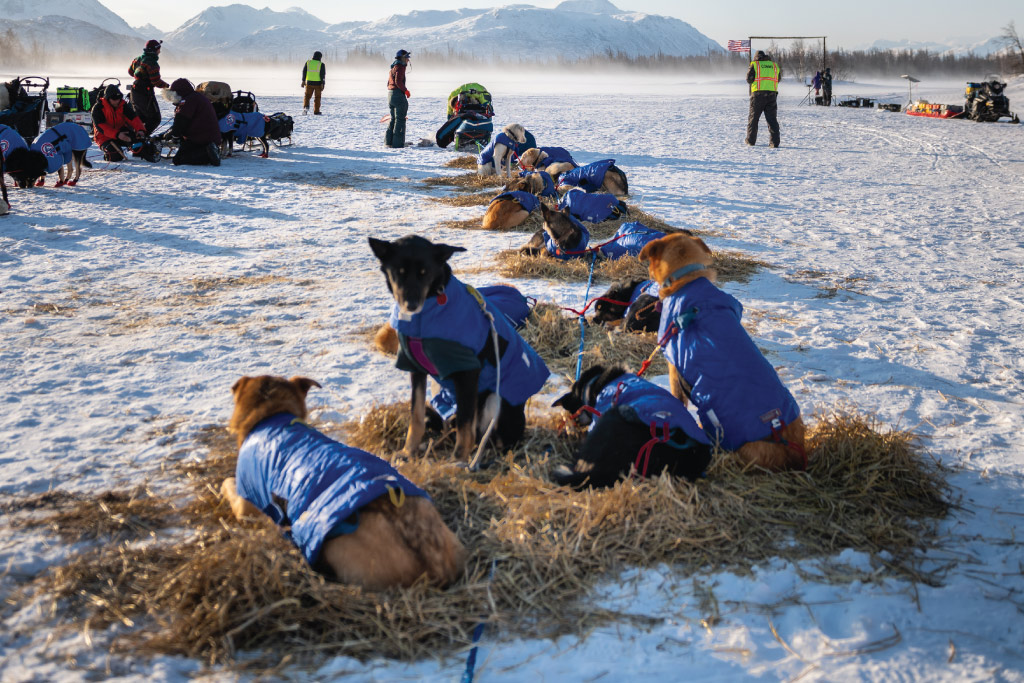
The dogs sleep on straw, and Sydnie sleeps in an Arctic-grade sleeping bag, also on top of the straw. With animal care, sleep for the musher is sparse — about 20 total hours of sleep during the 10-12 days.
One Team
Before the race even begins, mushers and dogs have already covered thousands of miles together, building trust.
“These dogs are family, and the bond is everything,” Sydnie said. “The dogs know they’ll get the best care at the stops and that all their needs are going to be met.”
With temperatures between 30 and 60 below zero and winds up to 50 mph, the 2026 race brought brutal conditions.
“When you’re out there for that long, your body adapts to it,” Sydnie said. “When you experience 60 below, 30 below feels kind of warm.”
Mushers frequently run alongside the sled, help push on climbs, and use voice commands and bodyweight — rather than reins — to guide their teams. “You and the dogs, at the start of the 1,000-mile race, are one person, and by the time you end that race, you and the dogs are a different person,” Sydnie said.
Every team is required to take a full 24-hour break and two eight-hour breaks during the race. While the dogs sleep, Sydnie estimates mushers get only about 20 hours of sleep during the entire 10- to 12-day race. At each stop, the dogs are fed, checked, massaged, and cared for before mushers can think about resting.
“That’s where my physical therapy background helps,” she said.
Mushers help their competition when needed. Sydnie, borrowing from others on the trail, went through what she believes may be a record five sleds.
“It’s a small, tight-knit community,” she said. “Even though we’re all out competing against each other, if there’s an issue you’re having, somebody is likely going to help you, and that’s really cool.”
Throughout the race, Sydnie relied on skills developed at UND and in her physical therapy career. She broke the 1,000-mile journey into smaller goals and used her training to help keep her dogs healthy. “You’re out there alone, taking care of 16 dogs and yourself in remote wild Alaska,” she said.
These dogs are family, and the bond is everything.
What’s Next?
Crossing the finish line did not dampen Sydnie’s enthusiasm for the sport.
Now, her husband Nicholas hopes to begin qualifying for the race himself. Their long-term goal is to run the Iditarod together.
“That would be pretty cool,” she said.
For Sydnie, finishing the race marked the culmination of a journey she never set out to take — and one that changed how she understands both the sport and herself.